Securing an experienced pest control service in Toledo stabilizes living environments compromised by wood-destroying organisms, seasonal arthropods, and invasive rodents. Property owners facing structural contamination near the Maumee River basin require precise biological containment rather than indiscriminate chemical applications.
A professional pest control service in Toledo is a systematic structural and biological remediation protocol designed to identify, isolate, and eradicate insect and vertebrate populations from residential and commercial structures throughout Lucas County.
Every service reflects the same meticulous attention to detail, whether it's a single job or a larger pest control service project across Toledo.
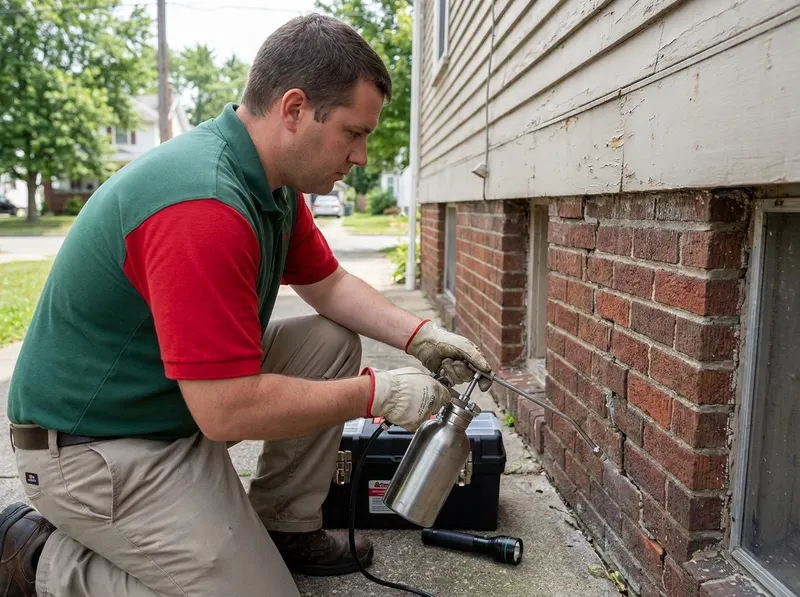
Residential biological containment resolves insect and arachnid incursions within domestic envelopes. Certified specialists inspect structural footings, floor joists, plumbing penetrations, and attic rafter ties to locate active nests. Applications use low-volatility botanical compounds and micro-encapsulated residuals that bind to targeted surfaces without off-gassing into interior living zones. Protocols isolate primary entry ways, treat baseline perimeter tracks, and resolve food-source attractants to eliminate pest reproduction inside kitchens, living rooms, and finished basements.
Get a quote →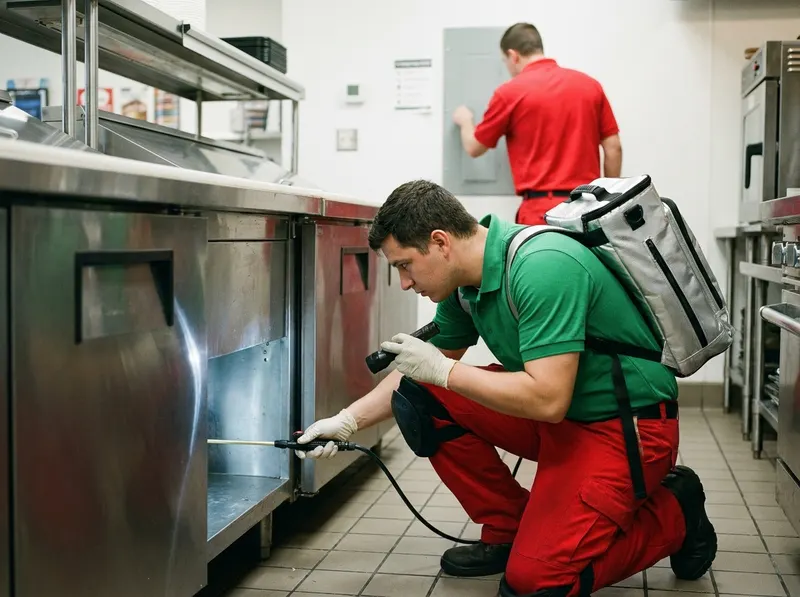
Commercial pest defense maintains sterile operating environments across food service, warehousing, healthcare, and multi-tenant rental assets. Regulated by Ohio Department of Agriculture standards, programs include tamper-resistant exterior rodent monitoring, insect light traps, and digitized audit logs for regulatory health inspections. Specialists treat structural voids, service docks, and floor drains using targeted insect growth regulators that disrupt molting phases without interrupting day-to-day enterprise operations or exposing non-target surfaces.
Get a quote →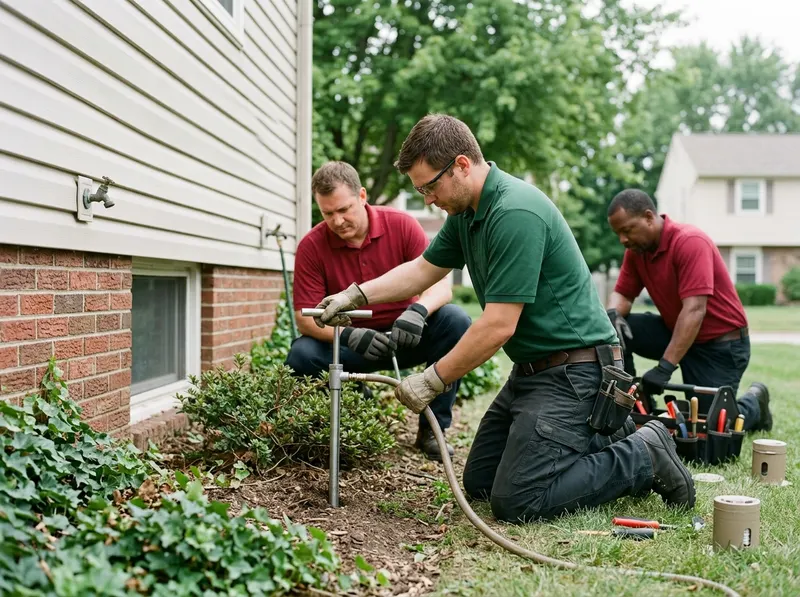
Subterranean termite remediation eradicates Reticulitermes flavipes colonies nesting within moist soil surrounding building foundations. Technicians install non-repellent liquid barrier zones via sub-slab injection and perimeter soil trenching down to footing depths. For structures with restricted slab access, low-profile exterior bait stations containing chitin-synthesis inhibitors are deployed every 10 to 15 linear feet, transferring lethal active ingredients throughout the subterranean colony until complete queen mortality is confirmed.
Get a quote →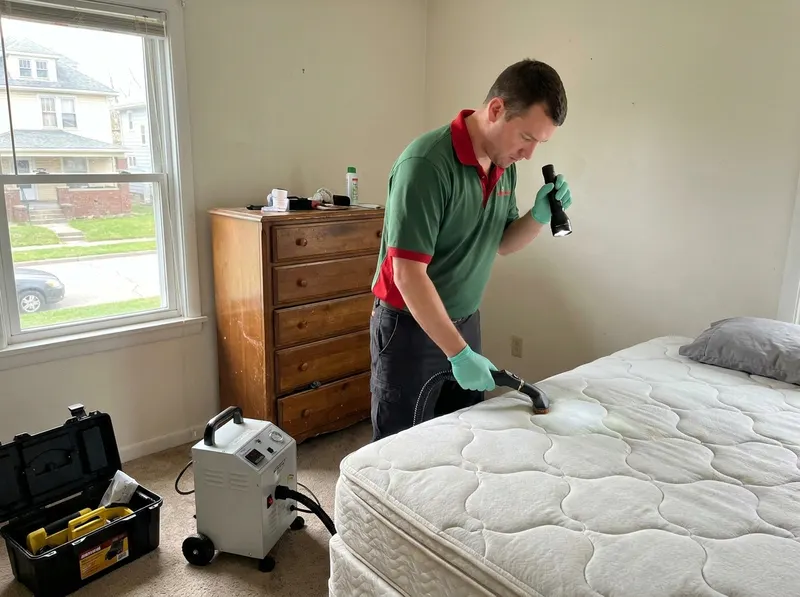
Bed bug remediation neutralizes Cimex lectularius populations across every life stage, including desiccation-resistant eggs. Remediation options deploy specialized mobile convective heat units that raise ambient room temperatures to an absolute minimum of 122°F for three continuous hours, penetrating mattresses, baseboards, and wall sockets. Supplemental treatments incorporate amorphous silica gel dust injected behind electrical faceplates and baseboard perimeters, providing continuous physical desiccation against re-infestation.
Get a quote →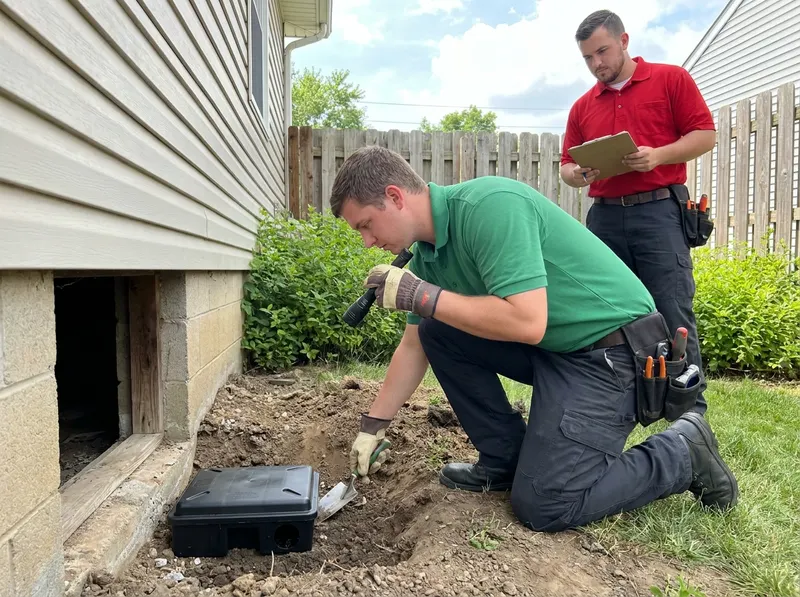
Rodent remediation removes Norway rats and house mice through strict biological exclusion and targeted population reduction. Technicians seal external perimeter apertures larger than a quarter-inch using high-gauge welded wire hardware cloth and structural silicone-copper mesh. Interior colonies are eliminated using precision-placed mechanical snap traps inside concealed service stations along runway walls, bypassing indiscriminate broadcast rodenticides that risk secondary domestic pet toxicity.
Get a quote →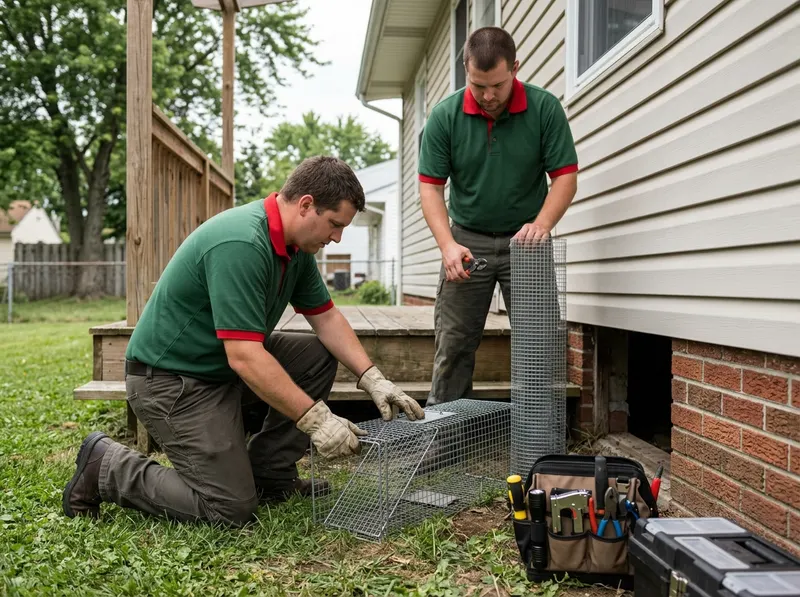
Nuisance vertebrate remediation isolates raccoons, squirrels, bats, and skunks that have gained entry into soffits, chimneys, and attic cavities. Technicians identify biological entry routes, deploy humane gravity-door exclusion valves, and execute direct trapping within Lucas County wildlife management parameters. Once animal displacement is complete, structural repairs restore exterior integrity, followed by enzymatic sanitization to neutralize hazardous biological guano, urine trails, and ectoparasites.
Get a quote →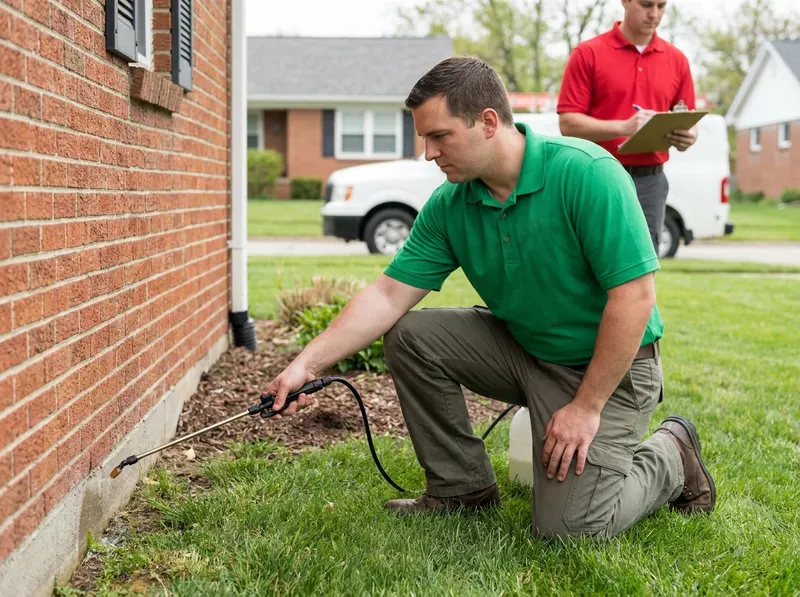
Ant colony remediation targets structural wood-excavating carpenter ants, odorous house ants, and pavement ants. Rather than surface repellent sprays that cause colony budding, technicians utilize slow-acting, protein- and sugar-based bait matrix formulas carried back to central subterranean or void-concealed queens. Moisture-damaged structural timbers are identified, and perimeter sub-slab or wall-void micro-injections stop satellite colony establishment permanently.
Get a quote →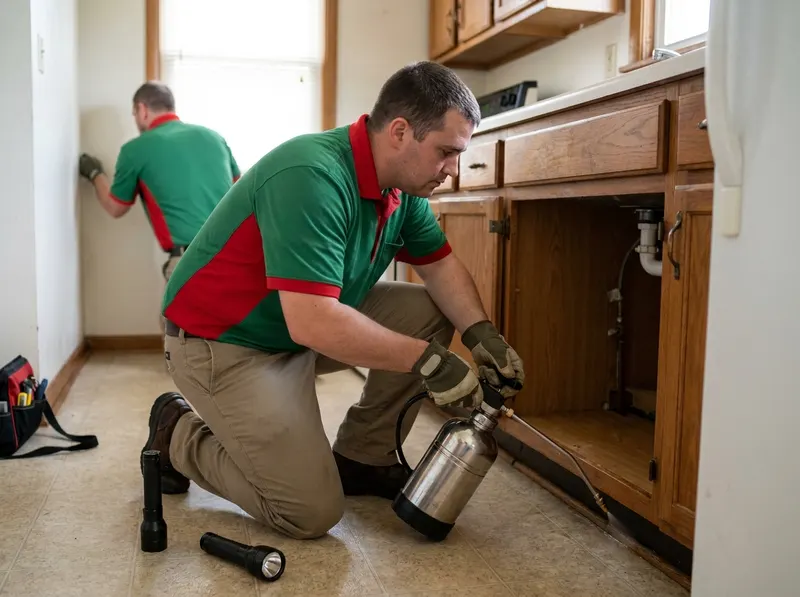
Cockroach remediation addresses persistent German, American, and Oriental cockroach infestations within moist interior cavities and utility chases. The clinical protocol incorporates targeted particulate vacuuming of harborage zones to reduce allergen loads, followed by precision placement of abamectin or indoxacarb gel baits inside cabinet hinges, appliance motor housings, and utility penetrations. Chitin-inhibiting insect growth regulators halt juvenile reproductive maturity.
Get a quote →You get a firm, itemized quote for your pest control service before any work begins, no surprises, no pressure.
Careful prep, tidy work, and a full cleanup when we are done. We treat your home and belongings like our own.
The same trusted, background-checked team from the first call to the final check.
Selecting structural biological remediation requires aligning the target organism's biology with structural architecture. If the property exhibits localized insect pests like pavement ants, cellar spiders, or seasonal yellowjacket nests in exterior eaves, choose a targeted mechanical and residual barrier treatment. If wood-destroying subterranean termites or wood-boring carpenter ants are compromising timber framing, choose deep-trench termiticide injections or systemic bait matrices.
The operational trade-off centers on intervention invasiveness and diagnostic scope: localized barrier treatments require minimal interior vacancy but fail to neutralize established colonies nesting deep within interior wall cavities, whereas structural thermal remediation or deep termiticide trenches demand thorough substrate preparation and higher initial allocations to ensure zero colony survivorship. Commercial facilities and multi-family structures requiring continuous regulatory compliance should choose quarterly preventative exclusion monitoring, trading periodic maintenance investments for complete liability insulation against health-code infractions.
Every project gets a firm, written price after a free on-site visit. Ranges below for orientation.
Tell us about your pest control service job and we'll send a clear, written quote, usually the same day. Or just call and talk to a real Toledo pro.
(419) 754-0600
The regional hydrology along the Maumee River and Lake Erie basin creates persistent structural moisture pressures throughout Lucas County. In historic neighborhoods like the Old West End and Point Place, aging limestone foundations and moist timber structures encourage aggressive subterranean termite activity and carpenter ant wood excavation. Combined with freeze-thaw cycles that drive rodent migrations into residential crawlspaces across West Toledo and Reynolds Corners each autumn, localized pest management requires targeted structural exclusion engineered for heavy lakefront humidity and dense clay soils.
Free estimates for Toledo & the surrounding area.
 Jorvian Pest Management